
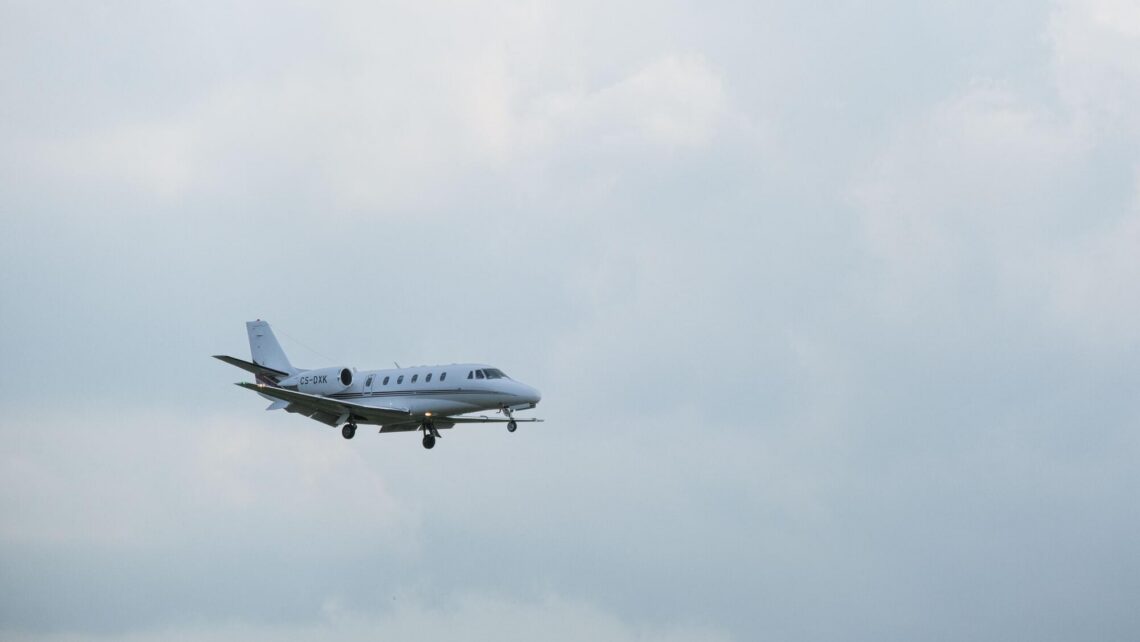
All private air travel passengers must go through U.S. Customs when traveling internationally. Whether you fly for work or for fun, the answer to “Do private jets go through customs?” is always the same. Although the traveler may have arrived at a private aviation facility, the government agency responsible for enforcing border controls has the authority to inspect travelers, their documentation, and the arriving aircraft.
You arrive in a foreign country on a private plane. As soon as you get off that plane, you enter a small, quiet area of an airport. You are alone. There are no large crowds like those found at commercial airports. Before leaving the airport, however, you will be required to clear customs.
Do Private Jets Go Through Customs on International Flights?
Customs procedures depend on both where you are departing from and which airport you will arrive in. There are some airports that have General Aviation Customs facilities for use by private travelers. Plus, U.S. Customs and Border Protection (CBP) processes private aircraft and non-scheduled commercial aircraft as General Aviation.
All General Aviation operators who arrive in or depart from the U.S. must file Advance Passenger Information System (APIS) manifest data. Prior to landing in the United States, operators must make contact with the appropriate U.S. Customs Port of Entry and obtain approval prior to departing their country of origin.
Why an International Passenger Manifest Matters
The pilot or operator is responsible for transmitting full and accurate APIS data for all of the United States’ arrivals and departures. If important details change after submission, such as tail number or number of travelers, the operator must update the details and re-confirm permission to land when necessary. Additional clarification on how customs clearance works through an FBO can be found on the CBP’s General Aviation Processing FAQ section.
How FBO Customs Clearance Works for Charter Flight Arrivals
It might seem that customs clearance through an FBO means that the clearing of Customs will be done by the FBO. But the opposite is true. The FBO serves both Private and Business Aviation, and the U.S. Government Agencies are responsible for Customs and Immigration Inspections.
CBP provides a list of General Aviation airports that are authorized to provide normal inspection services. Operators should obtain landing authorization from their arrival port in addition to any other local procedures.
Whether or not a small airport near your destination is suitable as a point of entry into the U.S. from an international flight is determined by factors such as:
- Availability of customs
- Operating hours
- Aircraft type restrictions
- Local procedures
Presidential Aviation offers its clients access to thousands of airports around the world, including Business Aviation Airports & FBO Facilities.
Private Terminal Security vs. Private Jet Border Control
Private terminal security and private jet border control are related, but they are not the same thing. Private terminals and FBOs can provide a more discreet environment with controlled access and fewer passengers than a commercial terminal.
U.S. Immigration and Customs Enforcement (ICE) agencies determine whether an individual and/or item is authorized to enter a country legally. The difference in using private flying may be where and when you encounter border control. But it doesn’t exempt passengers from having to comply with all relevant:
- Passport or visa requirements
- Customs regulations
- Immigration regulations
Private flights provide great privacy for executives and celebrities, as well as families that desire to keep their activities private. Even though traveling by a charter plane lowers the risk of exposure to crowds at the terminal, you will still need to comply with all travel rules.
What Happens Before and After an International Charter Flight?
The traveler gathers the necessary documentation and information from the airline before departure. This includes passports, IDs, travel visas, or other legal documents required to enter a foreign country, as well as collecting relevant itinerary details which could be important in clearing customs.
After obtaining this information from the customer, the flight operator will coordinate all elements of the flight:
- Airports the charter departs from and lands at
- International flight permissions
- Ground handling services
- Customs procedures related to each destination
Why Experienced Flight Planning Matters for Intercontinental Charters
When planning for flights and creating itineraries, charter planners must also consider the following:
- Airport capabilities
- Permits
- Customs clearance
- Readiness of crew members
- Ground handling requirements
- Routing requirements
Presidential Aviation provides charter service options for both business and leisure travelers. It also operates a charter fleet designed to meet the needs of various mission types, including airplanes suitable for long range/intercontinental missions.
Presidential Aviation’s charter flight-planning services include obtaining worldwide permitting, customs paperwork clearance, preparation of the aircraft and its crew, aviation fueling, and ground handling. A professional charter company can provide a seamless experience for the passengers while managing the operational logistics from behind the scenes.
Frequently Asked Questions
Do Private Jet Passengers Need Passports for International Flights?
You will likely require the necessary travel documentation for each country that you are going through during your trip. The nature of the required documents varies based on nationalities and destinations, including a valid passport, as well as a visa or an entry authorization if needed.
Can a Private Jet Land at Any Airport After an International Flight?
No. The airport would have to be appropriate for the type of plane and the international processing. General aviation operators in the United States must obtain approval from Customs and Border Protection to land at an airport during their arrival process in the country.
Is Customs Faster When Flying by Private Jet?
Airport experiences will likely be faster for everyone. Private aviation customers tend to go through different terminals than the general public, and therefore do not have to wait in long lines of people.
Plan Your International Charter With Confidence
So, do private jets go through customs? Yes, they do, but the process can be smoother than the typical commercial airport experience. Accurate manifests, suitable airports, and advance border coordination can help international charter flights to run smoothly.
Presidential Aviation provides you with the capability to fly anywhere around the world and the experience in coordinating customs and flight planning. To learn more about their worldwide charter capabilities, click here or contact Presidential Aviation today to book your next international private jet charter.